As a chiropractor and upper back pain sufferer myself, I understand the debilitating impact upper back pain can have on our daily lives. Whether it’s the result of poor posture, injury, or a sedentary lifestyle, this type of discomfort can make even the simplest tasks feel like a chore.
However, I’m here to share with you a comprehensive guide on how to alleviate pain through a series of effective upper back pain exercises.
Understanding Upper Back Pain: Causes and Symptoms
Upper back pain can stem from a variety of factors, including muscle strain, poor posture, injury, or underlying medical conditions. The symptoms can range from a dull ache to a sharp, stabbing pain that radiates through the shoulders and neck.
It’s essential to understand the root cause of your discomfort in order to address it effectively.
Some common causes of upper back pain include:
- Prolonged sitting or standing, “Tech Neck”
- Improper lifting techniques
- Sudden movements or injuries
- Stress and muscle tension
- Herniated or bulging discs
- Osteoarthritis or other degenerative conditions

Recognizing the symptoms of upper back pain is the first step towards finding relief. These may include:
- Stiffness or tightness in the upper back and shoulders
- Difficulty turning or twisting the upper body
- Shooting pains that radiate through the arms or neck
- Reduced range of motion and flexibility
- Muscle spasms or tenderness
The Importance of Exercise for Upper Back Pain Relief
Incorporating regular upper back pain exercises into your routine is one of the most effective ways to alleviate upper back pain and prevent it from recurring. By strengthening the muscles in the upper back, shoulders, and core, you can improve posture, increase flexibility, and reduce the strain on the affected areas.
Exercise not only helps to manage the physical symptoms of upper back pain but also addresses the underlying causes. By improving muscle strength and flexibility, you can better support the spine and reduce the risk of injury or further discomfort.
10 Effective Exercises for Upper Back Pain Relief
- Seated Row: Sit upright in a chair with your feet shoulder-width apart. Hold a resistance band or cable attachment in front of you with your palms facing down. Pull the band or attachment towards your chest, squeezing your shoulder blades together as you do so. Slowly release and repeat for 10-15 reps.
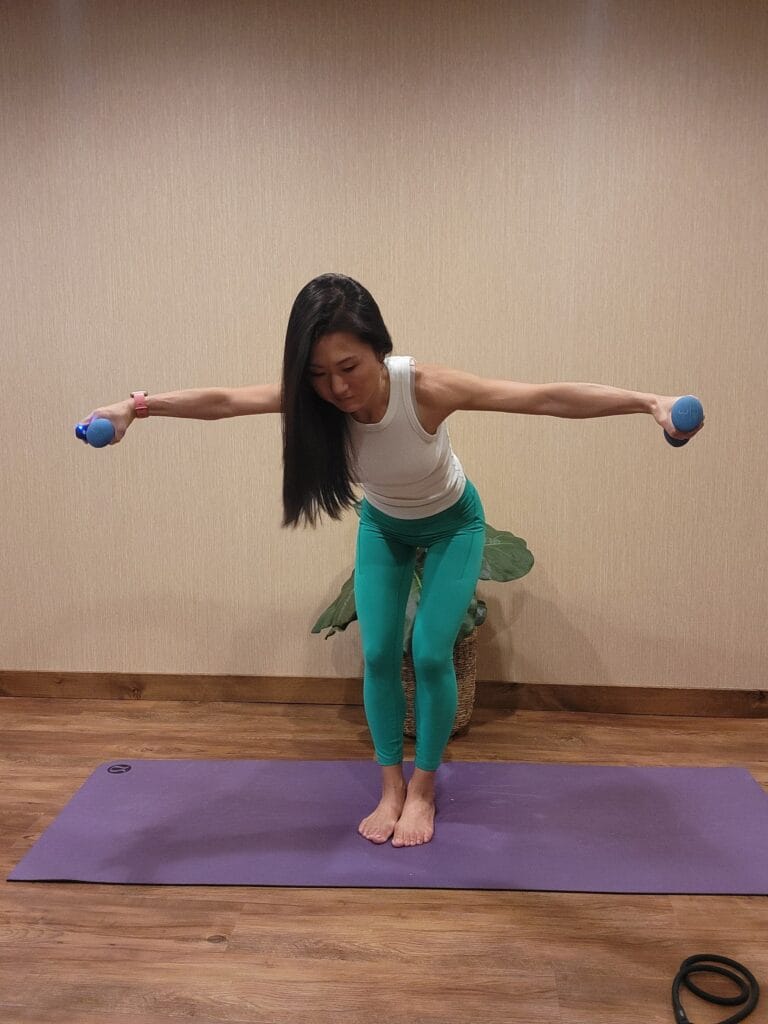
- Reverse Fly: Stand with your feet shoulder-width apart, knees slightly bent. Bend forward at the hips, keeping your back straight. Hold a pair of light dumbbells with your palms facing each other. Raise the weights out to the sides, squeezing your shoulder blades together at the top of the movement. Slowly lower the weights and repeat for 10-15 reps.
- Chin-ups: Grip a pull-up bar with your palms facing away from you, hands slightly wider than shoulder-width apart. Pull yourself up until your chin is above the bar, focusing on squeezing your shoulder blades together. Slowly lower yourself back down and repeat for 8-10 reps.
- Plank with Arm Raises: Start in a high plank position, with your hands directly under your shoulders and your body forming a straight line from head to heels. Engage your core and slowly raise one arm out in front of you, holding for a count of two before lowering it back down. Repeat on the other side, alternating for 10-12 reps per side.
- Supermans: Lie face down on the floor with your arms extended in front of you and your legs straight. Simultaneously raise your arms, chest, and legs off the ground, squeezing your shoulder blades together. Hold for a count of two, then lower back down. Repeat for 10-12 reps.
- Shoulder Rolls: Stand with your feet shoulder-width apart and your arms at your sides. Slowly roll your shoulders forward in a circular motion, then backward, focusing on the movement of the shoulder blades. Repeat for 10-15 reps in each direction.
- Wall Angels: Stand with your back against a wall, feet about a foot away from the wall. Raise your arms out to the sides, keeping your elbows and forearms in contact with the wall. Slide your arms up and down the wall, squeezing your shoulder blades together as you do so. Repeat for 10-15 reps.
- Bird Dogs: Start on your hands and knees, with your hands directly under your shoulders and your knees under your hips. Simultaneously raise your right arm and left leg, holding for a count of two before lowering them back down. Repeat on the other side, alternating for 10-12 reps per side.
- Chest Openers: Stand with your feet shoulder-width apart and your arms extended out to the sides, palms facing forward. Slowly bring your arms back behind you, squeezing your shoulder blades together. Hold for a count of two, then release and repeat for 10-15 reps.
- Seated Twist: Sit upright in a chair with your feet flat on the floor. Slowly twist your upper body to the right, keeping your hips facing forward. Hold for a count of two, then twist to the left. Repeat for 10-12 reps on each side.

Yoga for Upper Back Pain: Poses and Benefits
In addition to the targeted upper back pain exercises mentioned above, incorporating yoga into your routine can also be incredibly beneficial for upper back pain relief.
Yoga poses that focus on stretching and strengthening the upper back, shoulders, and core can help to improve posture, increase flexibility, decrease stress and reduce muscle tension.
Some of the most effective yoga poses for upper back pain include:
- Downward-Facing Dog
- Cat-Cow
- Child’s Pose
- Cobra Pose
- Camel Pose
- Locust Pose
By practicing these poses regularly, you cannot only alleviate upper back pain but also prevent it from recurring in the future. Here are some additional neck pain relief stretches to check out.
Posture Exercises to Prevent and Alleviate Upper Back Pain
Proper posture is crucial for maintaining a healthy upper back. Poor posture can lead to muscle imbalances, increased strain, and even long-term spinal issues.
Incorporating posture-focused exercises into your routine can help to correct these imbalances and reduce the risk of upper back pain.
Some effective posture exercises include:
- Shoulder Rolls
- Wall Angels
- Chest Openers
- Chin Tucks
- Neck Stretches
By strengthening the muscles that support good posture and regularly practicing these upper back pain exercises, you can improve your body’s alignment and reduce the strain on your upper back.
Upper Back Pain Exercises for Women: Tailored Workouts
While the exercises outlined in this article can benefit individuals of all genders, women may face unique challenges when it comes to upper back pain. Factors such as hormonal changes, pregnancy, and breastfeeding can all contribute to upper back discomfort.
To address these specific needs, it’s important to tailor your upper back pain exercises to your individual circumstances. This may include incorporating more core-strengthening exercises, focusing on posture-related movements, and incorporating gentle stretching and mobility work.
Some examples of upper back pain exercises tailored for women include:
- Pilates-inspired core strengthening
- Prenatal and postpartum-specific yoga poses
- Resistance band exercises for shoulder and upper back toning exercises
- Myofascial release techniques using foam rollers or massage balls
By addressing the unique needs of women, you can more effectively manage and prevent upper back pain.
Upper Back Pain Relief Through Stretching and Strengthening
While targeted exercises are essential for alleviating upper back pain, incorporating stretching and strengthening routines can also provide significant relief. By improving flexibility and muscle tone, you can reduce the strain on the affected areas and promote better overall spinal health.
Some effective stretches for upper back pain include:
- Seated/standing spinal twists
- Shoulder rolls and circles
- Chest and shoulder openers
- Neck and upper back stretches
Complementing these stretches with strength-building exercises, such as the ones outlined earlier in this article, can create a well-rounded approach to upper back pain management.
Incorporating Upper Back Pain Exercises into Your Daily Routine
Achieving long-term relief from upper back pain requires consistency and dedication to your exercise routine. Integrating these exercises into your daily life, whether through dedicated workout sessions or simple movement breaks throughout the day, can make a significant difference in your overall well-being.
Consider setting aside 10-15 minutes each day to perform a series of upper back exercises. Alternatively, you can incorporate these movements into your existing workout routine or break them up into shorter, more frequent sessions throughout the day.
Consistency is key, so find a approach that works best for your lifestyle and stick to it. By making upper back pain relief a priority, you’ll be on your way to a healthier, more comfortable you.
Seeking Professional Help: When to Consult a Healthcare Provider
While the exercises and strategies outlined in this article can be highly effective for managing upper back pain, there may be instances where professional medical intervention is necessary.
If you experience persistent or worsening pain, or if your symptoms interfere with your daily activities, it’s important to consult with a healthcare provider.
A qualified healthcare professional, such as a physical therapist, chiropractor, or orthopedic specialist, can help to identify the root cause of your upper back pain and develop a personalized treatment plan.
They may recommend additional therapies, such as massage, acupuncture, or medication, to complement your exercise routine and provide comprehensive relief.
Conclusion: A Healthier You with Regular Upper Back Pain Exercises
In conclusion, incorporating a variety of upper back pain exercises into your routine can be a game-changer when it comes to managing discomfort and improving your overall well-being.
By addressing the root causes of upper back pain through targeted movements, stretching, and strengthening, you can reduce muscle tension, improve posture, and prevent future episodes of discomfort.
Remember, consistency is key! Dedicating just a few minutes each day to these exercises can make a significant difference in your quality of life!

