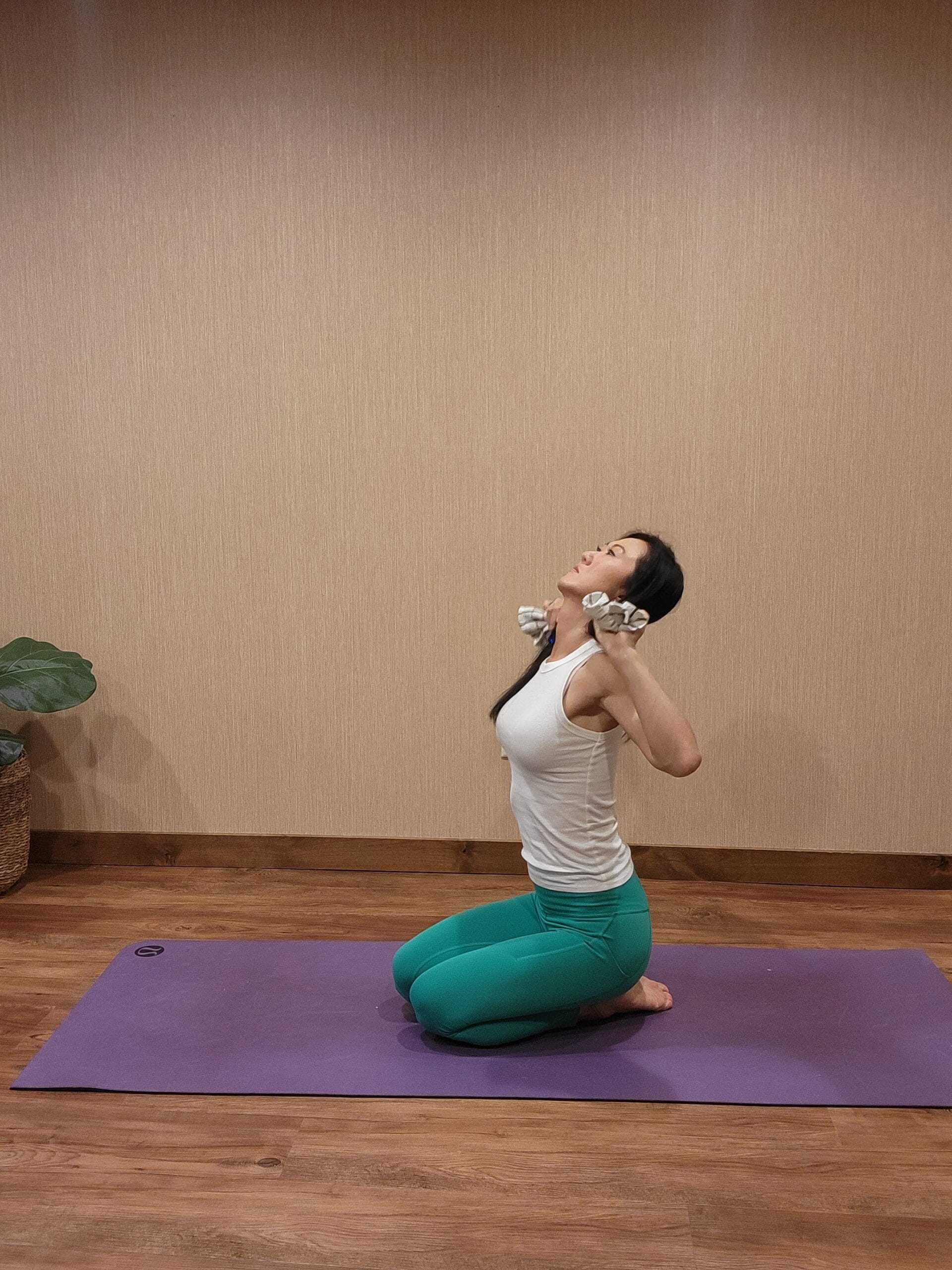
As a chiropractor and gymnastics instructor, I’m someone who values an active and healthy lifestyle. I know how important it is to maintain a flexible and pain-free back as we age.
Over the years, I’ve struggled with various spine-related issues, from neck pain to sciatica and lower back discomfort.
However, I’ve found that incorporating targeted spine mobility exercises into my routine has made a significant difference in my overall well-being.
Understanding the Importance of Spine Mobility
The spine is the central axis of our body, responsible for supporting our posture, enabling movement, and protecting the delicate spinal cord.
When our spine becomes stiff and immobile, it can lead to a host of problems, including pain, reduced range of motion, and even difficulty performing everyday tasks.
Maintaining good spine mobility is crucial for a healthy and active lifestyle. It helps improve our posture, reduces the risk of injury, and enhances our overall physical performance.
By incorporating spine mobility exercises into our routine, we can live up to our bodies’ fullest potential and enjoy a pain-free, flexible back.
The Anatomy of the Spine
The spine is composed of 33 individual vertebrae, divided into five distinct regions: the cervical (neck), thoracic (upper back), lumbar (lower back), sacral, and coccygeal.
Each region of the spine has its own unique characteristics and range of motion, and understanding the anatomy can help us target specific areas for improved mobility.
The cervical spine is responsible for the movement of the neck, the thoracic spine for the upper back, and the lumbar spine for the lower back.
Maintaining mobility in each of these regions is essential for overall spinal health and function.
Common Causes of Spine Stiffness and Pain
There are several factors that can contribute to spine stiffness and pain, including:
- Sedentary Lifestyle: Prolonged sitting or inactivity can lead to muscle tightness and reduced flexibility in the spine.
- Poor Posture: Slouching, hunching, or incorrect body alignment can put undue stress on the spine and lead to stiffness and discomfort.
- Injury or Trauma: Accidents, falls, or sudden movements can cause damage to the spine, leading to pain and reduced mobility.
- Underlying Medical Conditions: Certain health issues, such as arthritis, disc herniation, sciatica or scoliosis, can also contribute to spine stiffness and pain.
Benefits of Spine Mobility Exercises
Incorporating spine mobility exercises into your routine can provide a range of benefits, including:
- Improved Posture: By increasing the flexibility and range of motion in the spine, these exercises can help you maintain better posture and reduce the strain on your back.
- Reduced Pain: Targeted spine mobility exercises can help alleviate pain in the neck, upper back, and lower back, providing relief and improving your overall quality of life.
- Enhanced Physical Performance: Greater spine mobility can enhance your ability to perform physical activities, from everyday tasks to athletic pursuits, with ease and efficiency.
- Injury Prevention: Maintaining good spine mobility can help reduce the risk of injuries, as the spine is better equipped to handle the demands of physical activity.
- Increased Flexibility: Spine mobility exercises can improve the overall flexibility of your body, allowing for greater range of motion and better movement patterns.
Cervical Spine Mobility Exercises for Neck Pain Relief
One of the most common areas of spine-related discomfort is the neck, or cervical spine. To address this, I’ve found the following exercises to be particularly effective:
- Neck Circles: Slowly rotate your head in a circular motion, first clockwise and then counterclockwise, keeping your shoulders relaxed.
- Neck Tilts: Gently tilt your head to the left, then to the right, feeling a gentle stretch in the neck muscles.
- Chin Tucks: Keeping your head level, slowly tuck your chin towards your chest, feeling a gentle stretch in the back of the neck.
Incorporating these exercises into your daily routine can help alleviate neck pain and improve the overall mobility of the cervical spine. More neck pain relief stretches can be found here!
Thoracic Spine Mobility Exercises for Improved Posture
The thoracic, or upper back, region of the spine is often overlooked, but maintaining its mobility is crucial for good posture and overall spinal health.

Here are some exercises I’ve found to be particularly effective:
- Thoracic Spine Rotations: Sit or stand tall, and slowly rotate your upper back to the left, then to the right, keeping your hips and lower body stationary.
- Thoracic Extensions: Lie on a foam roller or exercise ball, with the roller positioned between your shoulder blades. Gently arch your back over the roller, feeling a stretch in the front of your chest.
- Thoracic Spine Mobilizations: Get down on all fours, and slowly rock your hips back and forth, allowing your upper back to round and then arch.
These exercises can help improve the mobility of the thoracic spine, which in turn can lead to better posture and reduced upper back discomfort.
In a lot of pain? Start with these upper back pain exercises!
Looking to improve your posture? Try these stretches for better posture!
Lumbar Spine Mobility Exercises for Lower Back Pain Relief
The lumbar, or lower back, region of the spine is often the source of significant discomfort for many individuals.
To address this, I’ve found the following exercises to be particularly helpful:

- Cat-Cow Pose: Get down on all fours, and slowly alternate between arching your back (cat pose) and dropping your belly towards the floor (cow pose).
- Pelvic Tilts: Lie on your back with your knees bent and feet flat on the floor. Slowly tilt your pelvis up towards the ceiling, then back down to the starting position.
- Knee-to-Chest Stretches: Lie on your back, and gently pull one knee at a time towards your chest, feeling a stretch in the lower back.
These exercises can help improve the mobility and flexibility of the lumbar spine, providing relief from lower back pain and discomfort.
Hip Mobility Exercises to Support Spine Health
The health of the hips is closely linked to the overall mobility and function of the spine. By incorporating hip mobility exercises into your routine, you can support the health of your spine and reduce the risk of injury.
Here are some exercises I’ve found to be particularly effective:
- Hip Circles: Stand with your feet hip-width apart, and slowly circle your hips in a clockwise and then counterclockwise motion.
- Pigeon Pose: Start on all fours, then bring one leg forward, placing the foot near the opposite hip. Gently lower your torso towards the floor, feeling a stretch in the hip.
- Squat Holds: Stand with your feet shoulder-width apart, and lower into a deep squat, holding the position for 30-60 seconds.
Incorporating these hip mobility exercises and Hip Flexor Strengthening Exercises can help improve the overall flexibility, strength and range of motion of the spine, leading to a more pain-free and active lifestyle.
Best Spine Mobility Exercises for Overall Flexibility and Pain-Free Back
While the exercises outlined above target specific regions of the spine, there are also a number of full-body spine mobility exercises that can provide a comprehensive approach to improving overall flexibility and reducing back pain.

Here are some of my personal favorites:
- Spinal Twists: Sit on the floor with your legs extended, then cross one leg over the other and twist your upper body in the direction of the crossed leg.
- Cobra Pose: Lie on your stomach, then press your palms into the floor and gently lift your chest off the ground, feeling a stretch in the spine.
- Child’s Pose: Start on all fours, then sit your hips back towards your heels, extending your arms forward and resting your forehead on the floor.
These exercises can help improve the overall mobility and flexibility of the spine, providing a well-rounded approach to maintaining a pain-free and active lifestyle.
Mobility Exercises for Beginners: Start with These Gentle Movements
If you’re new to spine mobility exercises, it’s important to start with gentle, low-impact movements that gradually build up your flexibility and strength.
Here are some beginner-friendly exercises to get you started:
- Seated Spinal Rolls: Sit on the floor with your legs straight out, then slowly roll your spine down towards the floor, one vertebra at a time, before rolling back up.
- Gentle Neck Stretches: Slowly tilt your head to the left and right, feeling a gentle stretch in the neck muscles.
- Ankle Circles: Sit or stand and slowly circle your ankles in both clockwise and counterclockwise directions.
Start with these simple exercises and gradually increase the intensity and complexity as your spine mobility improves over time.
Incorporating Spine Mobility Exercises into Your Flexibility Workout Routine
To get the most out of your spine mobility exercises, it’s important to incorporate them into a comprehensive flexibility and mobility routine.
Here’s how I like to structure my workouts:
- Warm-Up: Begin with 5-10 minutes of gentle, full-body movements to increase blood flow and prepare your muscles for the upcoming exercises.
- Spine Mobility Exercises: Dedicate 10-15 minutes to targeted spine mobility exercises, focusing on the specific regions that need the most attention.
- Flexibility Exercises: Follow up with a series of full-body flexibility exercises to further improve your overall range of motion.
- Cool-Down: End your workout with 5-10 minutes of gentle stretching and relaxation to help your body recover.
By making spine mobility a consistent part of your fitness routine, you can enjoy the benefits of a flexible, pain-free back for years to come.
Additional Tips for Maintaining a Healthy and Flexible Spine
In addition to regular spine mobility exercises, there are a few other steps you can take to support the health and flexibility of your spine:
- Practice Good Posture: Be mindful of your posture throughout the day, whether you’re sitting, standing, or moving around. Proper alignment can help reduce strain on your spine. Here are some great tips to help improve your posture!
- Stay Hydrated: Drinking plenty of water can help keep the discs in your spine healthy and supple, reducing the risk of stiffness and pain. These added electrolytes help with hydration!
- Consider Supplementation: Certain supplements, such as glucosamine and chondroitin, may help support the health and flexibility of the spine.
- Seek Professional Help: If you’re experiencing persistent or severe spine-related pain or discomfort, don’t hesitate to consult with a healthcare professional, such as a physical therapist or chiropractor.
By incorporating these spine mobility exercises into your daily routine, you can take a proactive approach to maintaining a healthy, flexible, and pain-free back.
Remember, your spine is the foundation of your body, and investing in its well-being can bring you a world of benefits, from improved posture to enhanced physical performance.

Conclusion: Prioritizing Spine Mobility for a Pain-Free and Active Lifestyle
Incorporating spine mobility exercises into your fitness routine is a crucial step towards maintaining a healthy, flexible, and pain-free back.
By targeting the different regions of the spine, from the neck to the lower back, and addressing the hips, you can unlock the full potential of your body and enjoy an active, fulfilling lifestyle.
Remember, consistency is key when it comes to improving spine mobility. Dedicate time each day to these exercises, and be patient with yourself as you work to build strength and flexibility.
Start your journey towards a more flexible and active lifestyle today!