Understanding Hamstring Injuries
As a competitive cheerleader in college, I’ve experienced my fair share of injuries, and one of the most common (and frustrating) is a hamstring injury.
These often underrated and powerful muscles at the back of your thighs play a crucial role in activities like running, jumping, and even walking. When strained or torn, they can sideline you for weeks or even months, putting a halt to your active lifestyle.
Hamstring injuries can range from mild strains to complete tears, and they often occur during activities that involve sudden accelerations, de-celerations, or stretching of the muscle.
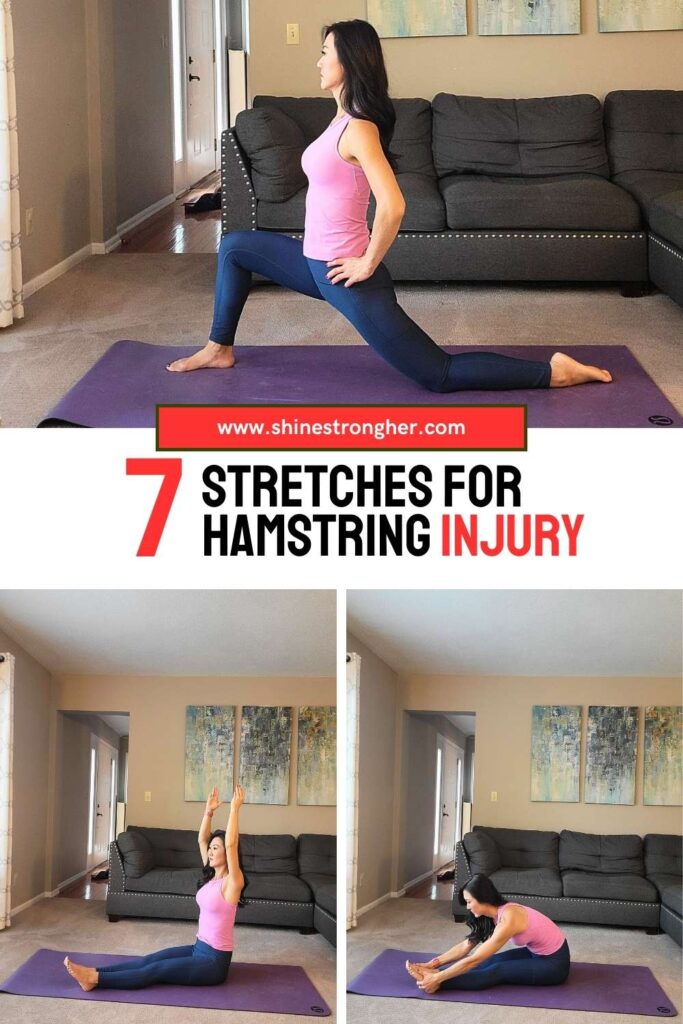
These are the top 7 best stretches for hamstring injury recovery, along with proper treatment, and a strategic approach to rehabilitation to get you feeling your best!
Importance of Stretching in Hamstring Injury Recovery
One of the most critical components of hamstring injury recovery is stretching. Not only does stretches for hamstring injury help improve flexibility and range of motion, but it also plays a vital role in preventing further injury and promoting healing.
Tight hamstrings can increase the risk of re-injury, making stretching an essential part of your recovery plan.
During the healing process, scar tissue can form in the injured area, leading to tightness and restricted movement. Stretches for hamstring injury helps break down this scar tissue, improving mobility and reducing the risk of future injuries.
Additionally, stretching can increase blood flow to the area, promoting faster healing and reducing inflammation.
How Stretching Improves Flexibility and Strength
Stretches for hamstring injury is not only beneficial for recovery but also for overall flexibility and strength. As we age, our muscles naturally lose some of their elasticity, making us more prone to injuries.
Regular stretching can help counteract this by maintaining and improving flexibility, reducing the risk of strains and tears.
Furthermore, stretching can also improve muscular strength. When you stretch a muscle, you create a gentle tension that signals your body to increase the flexibility and strength of that muscle over time.
This improved strength can help you perform better in your favorite activities and reduce the risk of future injuries.
Top 7 Effective Stretches for Hamstring Injury Recovery
Now that we understand the importance of performing stretches for hamstring injury recovery, let’s dive into seven effective stretches that can aid in your healing process.
Remember, always consult with a healthcare professional before starting any new exercise routine, especially if you’re recovering from an injury.
1. Gentle Hamstring Stretch
This stretch is an excellent starting point for those in the early stages of hamstring injury recovery. It’s gentle and can help gradually increase flexibility without putting too much strain on the injured area.
How to perform:
- Lie on your back with both legs extended.
- Bend one knee and bring it towards your chest, keeping the other leg straight on the floor.
- Gently pull the bent knee towards your chest until you feel a gentle stretch in the hamstring of the extended leg.
- Hold the stretch for 30 seconds, then switch legs.
2. Standing Hamstring Stretch
As you progress in your recovery, you can incorporate standing stretches for hamstring injury like this one. It targets the hamstrings more directly and can help improve overall flexibility.
How to perform:
- Stand with your feet shoulder-width apart, and place one foot slightly in front of the other.
- Keeping your back straight, bend at the hips and reach towards your toes or shins, allowing your hamstrings to stretch.
- Hold the stretch for 30 seconds, then switch legs.
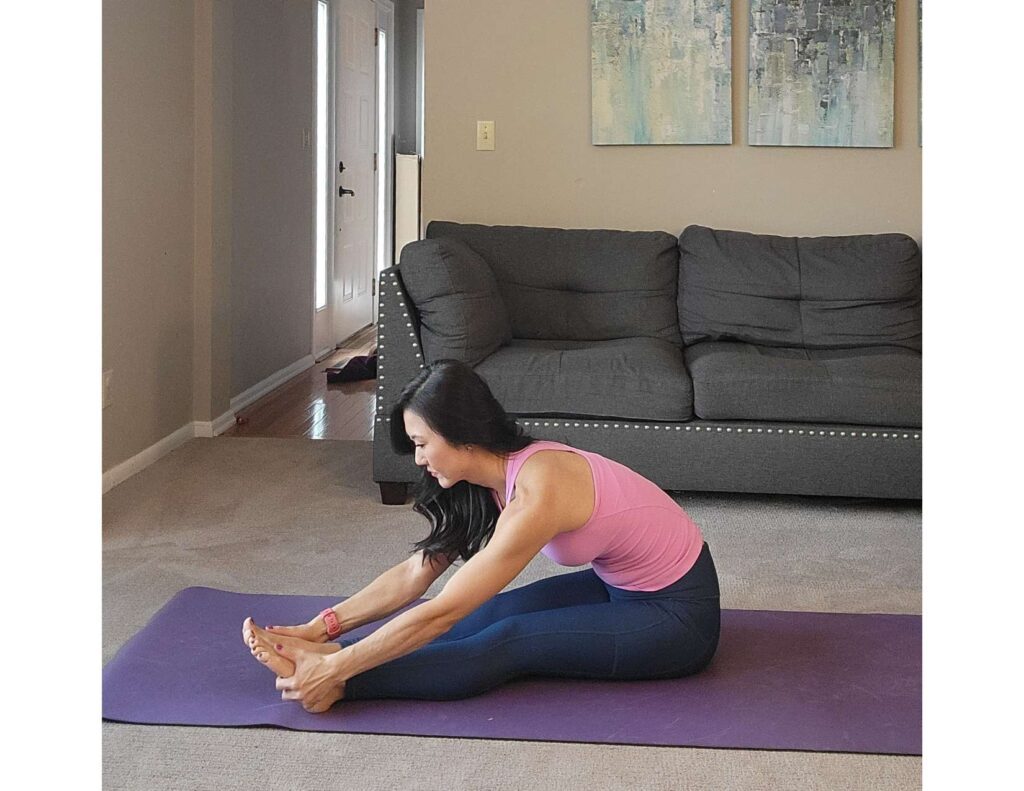
3. Seated Forward Bend
This stretch is excellent for targeting the entire hamstring muscle group and can be easily incorporated into your daily routine.
How to perform:
- Sit on the floor with your legs extended in front of you.
- Keeping your back straight, reach forward and try to touch your toes (or as far as you can comfortably go).
- Hold the stretch for 30 seconds, then release.
4. Reclining Hand-to-Toe Stretch
This stretch is a little more advanced and can help improve hamstring flexibility while also targeting the lower back and glutes.
How to perform:
- Lie on your back with one leg extended and the other bent at the knee.
- Loop a towel or resistance band around the sole of your extended foot.
- Gently pull the leg towards your chest, keeping the knee straight, until you feel a stretch in the hamstring.
- Hold the stretch for 30 seconds, then switch legs.
5. Hamstring Stretch with Exercise Band
Using an exercise band can add resistance to your hamstring stretches, making them more challenging and effective.
How to perform:
- Secure an exercise band around a sturdy object at about knee height.
- Stand facing the anchor point, with one leg extended back and the band looped around the ankle of that leg.
- Keeping your back straight, hinge forward at the hips until you feel a stretch in the hamstring of the extended leg.
- Hold the stretch for 30 seconds, then switch legs.
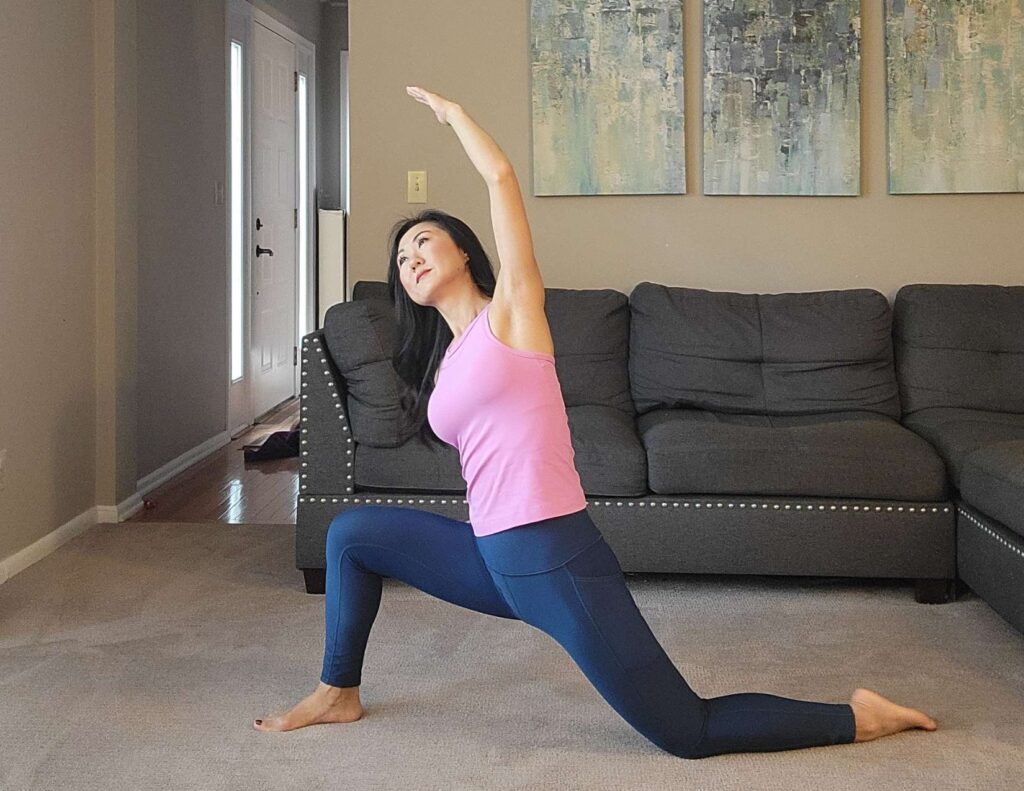
6. Iliopsoas Stretch for Women
Women often experience tightness in the iliopsoas muscle, which can contribute to hamstring injuries. This stretch targets that area, helping to improve overall mobility.
How to perform:
- Kneel on one knee, with the other leg extended in front of you.
- Keeping your back straight, lean forward until you feel a stretch in the front of your hip and thigh.
- Hold the stretch for 30 seconds, then switch legs.
7. Dynamic Hamstring Stretches for Runners
If you’re a runner recovering from a hamstring injury, incorporating dynamic stretches can be beneficial. These stretches mimic the movements of running, helping to prepare your muscles for the demands of your sport.
How to perform:
- Start in a standing position with your feet shoulder-width apart.
- Kick one leg forward, keeping it straight, and reach towards your toes with the opposite hand.
- Repeat the motion, alternating legs, for 30 seconds.
Somatic Workout Plan for Hamstring Recovery
While stretching is crucial for hamstring injury recovery, it’s essential to incorporate other exercises as well.
A comprehensive somatic workout plan can help strengthen the surrounding muscles, improve stability, and promote overall healing. The key is to breathe into each exercise, listen to your body and not force the movement.
Here’s an example of a somatic workout plan for hamstring recovery:
- Foam Rolling: Use a foam roller to massage and release tension in the hamstrings and surrounding muscles.
- Glute Bridges: Strengthen the glutes, which can take some of the load off the hamstrings.
- Clamshells: Target the hip abductors, which can help stabilize the pelvis and reduce strain on the hamstrings.
- Quadruped Leg Raises: Strengthen the core and improve stability, which can protect the hamstrings during movement.
- Eccentric Hamstring Curls: Gradually introduce eccentric (lengthening) exercises to rebuild strength in the hamstrings.
Integrating Hamstring Exercises at Home
While working with a physical therapist or trainer can be beneficial, it’s also essential to incorporate hamstring exercises into your daily routine at home.
This can help reinforce the work you’re doing in your rehabilitation sessions and promote faster healing.
Here are some examples of hamstring exercises you can do at home:
- Wall Slides: Stand with your back against a wall and slide down into a seated position, holding for a few seconds before returning to standing.
- Hamstring Curls: Lie on your stomach and bend your knees, lifting your heels towards your glutes.
- Bridges: Lie on your back with your knees bent and lift your hips off the floor, engaging your hamstrings and glutes.
Remember, it’s essential to start slowly and gradually increase the intensity and duration of these exercises as your recovery progresses.
Expert Tips for Safe and Effective Stretching
While stretches for hamstring injury can be incredibly beneficial for hamstring recovery, it’s crucial to follow proper techniques to avoid further injury or setbacks.
Here are some expert tips to keep in mind:
- Warm Up: Always warm up before stretching to prepare your muscles and increase blood flow. Try this easy morning mobility routine or these dynamic hamstring stretches!
- Listen to Your Body: Stretching should never cause sharp pain. If you experience discomfort, back off or modify the stretch.
- Breathe: Inhale deeply as you begin the stretch and exhale as you deepen it, allowing your muscles to relax.
- Hold and Release: Hold each stretch for 30 seconds or more, then release slowly and with control.
- Stay Hydrated: Proper hydration with electrolytes can help improve muscle elasticity and prevent injury during stretching.
Building a Comprehensive Hamstring Recovery Routine
While stretching and targeted exercises are essential components of hamstring injury recovery, it’s crucial to approach your rehabilitation holistically.
A comprehensive routine should include:
- Strength Training: Incorporate exercises that target the hamstrings, glutes, and surrounding muscles to rebuild strength and stability. Try these spine mobility exercises if you want to build core strength and improve flexibility!
- Cardio: Low-impact cardio activities like cycling or swimming can help maintain cardiovascular fitness without putting excessive strain on the hamstrings.
- Rest and Recovery: Allow your body adequate time to rest and recover between workouts to prevent further injury or setbacks.
- Proper Nutrition: A balanced diet rich in protein, vitamins, and minerals can support muscle repair and overall recovery.
Remember, full recovery from a hamstring injury is a journey, and consistency and patience are key. Celebrate small victories along the way and don’t get discouraged by setbacks.
With the right approach and dedication, you can regain your strength and flexibility, and return to the activities you love.
If you’re recovering from a hamstring injury and looking for a comprehensive rehabilitation plan, consider working with a certified personal trainer or physical therapist.
Conclusion: Staying Consistent and Patient in Your Recovery Journey
Recovering from a hamstring injury can be a challenging and frustrating process, but with the right approach, it’s absolutely possible to regain your strength and flexibility.
By incorporating effective stretches for hamstring injury, targeted exercises, and a comprehensive rehabilitation routine, you can promote healing, reduce the risk of re-injury, and return to the activities you love.
Remember, consistency and patience are key. Celebrate small victories along the way, and don’t get discouraged by setbacks. With dedication and perseverance, you can overcome this obstacle and emerge stronger than ever before.
So, take a deep breath, embrace the journey, and trust the process. Your hamstring recovery is within reach, and a stronger, more resilient you awaits on the other side.