As a chiropractor and after having three kids of my own, I have personally experienced my hips out of alignment, constant back pain, and overall discomfort during pregnancy and into postpartum. It can also happen due to other causes such as injuries, stress, or poor posture. This is why it is crucial for women to take care of their bodies, inside and out!
What Does It Mean to Have Hips Out of Alignment?
Having hips out of alignment, also known as pelvic misalignment or uneven hips, refers to a condition where the hip bones are not positioned symmetrically or in their optimal alignment.
This imbalance can occur when one hip sits higher or rotates differently than the other, causing a noticeable tilt or twist in the pelvic region.
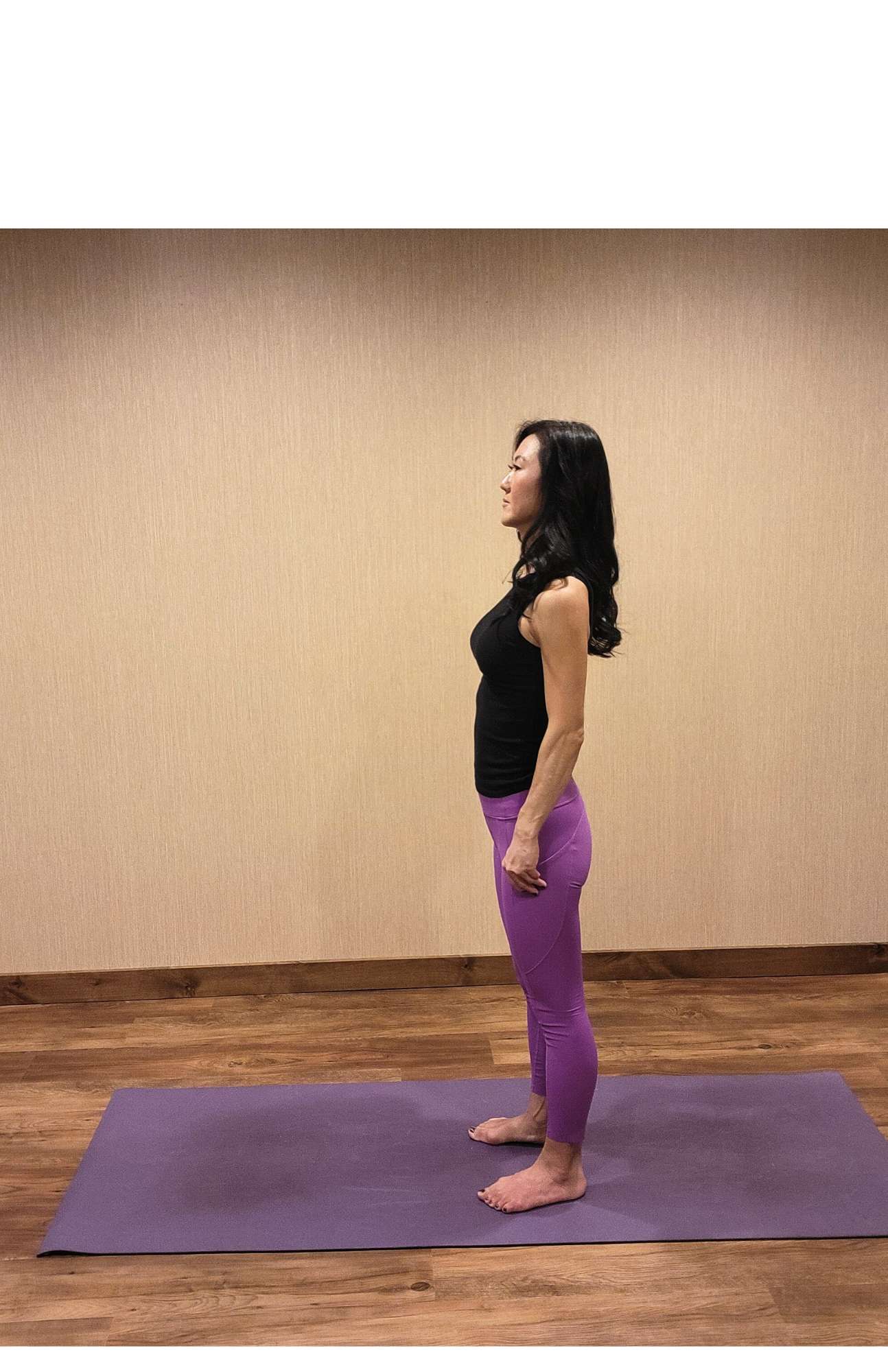
In an ideally aligned body, the hips should be level, and the pelvis should be in a neutral position.
However, various factors can contribute to this misalignment, leading to potential discomfort, mobility issues, and even chronic pain if left untreated.
As we delve deeper into this topic, I’ll share insights on the common causes, symptoms, and effective solutions to address hips out of alignment, empowering you to take control of your mobility and overall well-being.
Common Causes of Hips Out of Alignment
Numerous factors can contribute to the development of hips out of alignment.
Here are some of the most prevalent causes:
- Muscular Imbalances: Tightness or weakness in certain muscle groups, such as the hip flexors, quadriceps, or glutes, can create an imbalance that pulls the hips out of their optimal position.
- Posture and Ergonomics: Prolonged sitting, poor posture, or improper ergonomics at work or during daily activities can strain the muscles and joints, leading to misalignment over time.
- Injury or Trauma: Injuries to the hips, pelvis, or lower back, as well as accidents or falls, can disrupt the alignment of the hip joints.
- Structural Abnormalities: Conditions like leg length discrepancies, scoliosis, or other congenital abnormalities can contribute to hip misalignment from birth or early childhood.
- Pregnancy and Childbirth: The physical changes and strain on the pelvic region during pregnancy and childbirth can sometimes lead to temporary or long-term hip misalignment.
- Repetitive Movements: Certain sports or activities that involve repetitive movements, such as running, cycling, or weightlifting, can strain the hip muscles and joints, potentially causing misalignment over time.
It’s important to note that while some causes may be unavoidable, addressing the underlying issues and seeking professional guidance can help prevent further complications and restore proper alignment.
Recognizing Hips Out of Alignment Symptoms
Being aware of the signs and symptoms associated with hips out of alignment is crucial for early detection and intervention.
Here are some common indicators to watch out for:
- Uneven Gait or Limp: If one hip is higher or rotated differently than the other, it can cause an uneven walking pattern or a noticeable limp.
- Lower Back Pain: Hip misalignment can put additional strain on the lower back muscles and spine, leading to persistent lower back pain or discomfort.
- Hip or Groin Pain: Tightness or imbalances in the hip muscles and joints can cause localized pain or discomfort in the hip or groin area.
- Knee or Ankle Pain: Misaligned hips can affect the alignment of the knees and ankles, potentially leading to pain or instability in these joints.
- Muscle Tightness or Weakness: Imbalances in the hip muscles can result in tightness or weakness in certain areas, such as the hip flexors, hamstrings, or glutes.
- Postural Imbalances: Hips out of alignment can contribute to poor posture, including a noticeable tilt or rotation in the pelvic area.
If you experience any of these symptoms, it’s advisable to seek professional guidance from a physical therapist, chiropractor, or orthopedist for a proper evaluation and treatment plan.
The Impact of Uneven Hips on Your Overall Health
While hip misalignment may seem like a localized issue, it can have far-reaching consequences on your overall health and well-being.
Here are some potential impacts to be aware of:
- Increased Risk of Injury: Uneven hips can place additional stress on other joints and muscles, increasing the risk of overuse injuries or strains during physical activities.
- Chronic Pain and Discomfort: Persistent misalignment can lead to chronic pain or discomfort in the hips, lower back, knees, or other areas, potentially impacting your quality of life.
- Reduced Mobility and Flexibility: Hip misalignment can limit your range of motion and flexibility, making it challenging to perform certain movements or engage in physical activities.
- Posture and Spinal Issues: Imbalances in the hips can contribute to poor posture and spinal misalignment, potentially leading to additional musculoskeletal issues over time.
- Increased Fatigue and Muscle Strain: Compensating for the imbalance can cause overuse of certain muscle groups, leading to increased fatigue and strain during daily activities or exercise.
By addressing hip misalignment promptly and implementing appropriate solutions, you can mitigate these potential impacts and promote overall health and well-being.
Diagnosing Hips Out of Alignment: When to Seek Professional Help
While some signs of hip misalignment may be noticeable on your own, it’s essential to seek professional guidance for an accurate diagnosis and appropriate treatment plan.
Here are some situations where consulting a healthcare professional is recommended:
- Persistent Pain or Discomfort: If you experience ongoing pain or discomfort in your hips, lower back, or surrounding areas, it’s advisable to seek medical attention to rule out any underlying conditions or injuries.
- Noticeable Postural Imbalances: If you notice a significant tilt or rotation in your pelvic area, or if others point out postural imbalances, it’s a good idea to have a professional evaluation.
- Difficulty with Daily Activities: If hip misalignment is impacting your ability to perform daily tasks or engage in physical activities, seeking professional guidance can help address the issue and improve your mobility.
- Injury or Trauma: If you’ve recently experienced an injury or trauma to your hips, pelvis, or lower back, it’s crucial to have a proper assessment to ensure proper healing and alignment.
- Lack of Improvement with Self-Care: If you’ve tried self-care measures, such as stretching or exercises, but haven’t noticed significant improvement, seeking professional help can provide a more targeted and effective treatment plan.
Healthcare professionals, such as physical therapists, chiropractors, or orthopedists, can perform comprehensive evaluations, identify the underlying causes of your hip misalignment, and recommend appropriate treatment options tailored to your specific needs.
Effective Hip Rotation Exercises to Improve Alignment
Incorporating targeted hip rotation exercises into your routine can be an effective way to improve hip alignment and mobility.
Here are some exercises to consider:

- Lying Hip Rotations:
- Lie on your back with your knees bent and feet flat on the floor.
- Keeping your shoulders on the ground, gently rotate your hips to one side, then the other, creating a gentle rocking motion.
- Repeat for 10-15 repetitions on each side.
- Standing Hip Rotations:
- Stand with your feet shoulder-width apart and your hands on your hips.
- Keeping your upper body stable, rotate your hips to one side, then the other, creating a gentle swinging motion.
- Repeat for 10-15 repetitions on each side.
- Clamshell Exercise:
- Lie on your side with your knees bent and your feet together.
- Keeping your feet together, raise your top knee towards the ceiling, creating a clamshell-like motion.
- Repeat for 10-15 repetitions on each side.
- Hip Circles:
- Stand with your feet shoulder-width apart and your hands on your hips.
- Keeping your upper body stable, rotate your hips in a circular motion, first in one direction, then the other.
- Repeat for 10-15 repetitions in each direction.
- Prone Hip Rotations:
- Lie on your stomach with your legs straight and your forehead resting on your hands.
- Engage your core and lift one leg off the ground, rotating your hip inward and outward.
- Repeat for 10-15 repetitions on each side.

Remember to start with a comfortable range of motion and gradually increase the intensity as you build strength and flexibility. It’s also essential to listen to your body and avoid any exercises that cause pain or discomfort.
Deep Hip Stretches for Better Mobility
In addition to hip rotation exercises, incorporating deep hip stretches into your routine can help improve mobility, flexibility, and overall alignment.
Here are some effective stretches to consider:

- Butterfly Stretch:
- Sit on the floor with the soles of your feet together and your knees bent outward.
- Gently press down on your thighs with your elbows to deepen the stretch.
- Hold for 30-60 seconds, and repeat as needed.
- Pigeon Pose:
- Start in a push-up position, and bring one leg forward, bending the knee and positioning the shin parallel to the front of your mat.
- Extend the other leg behind you, and lower your body towards the floor, feeling the stretch in your hip flexors.
- Hold for 30-60 seconds, and repeat on the other side.
- Seated Spinal Twist:
- Sit on the floor with your legs extended in front of you.
- Bend one knee and cross it over the other leg, placing the foot flat on the floor.
- Twist your torso towards the bent knee, using your opposite hand to gently guide the twist.
- Hold for 30-60 seconds, and repeat on the other side.
- Frog Stretch:
- Start in a push-up position, and bring your knees out wide, keeping your feet together.
- Lower your body towards the floor, feeling the stretch in your inner thighs and groin area.
- Hold for 30-60 seconds, and repeat as needed.
- Lying Twist Stretch:
- Lie on your back with your arms extended in a “T” position.
- Bring your knees towards your chest, and then lower them to one side, keeping your shoulders on the floor.
- Hold for 30-60 seconds, and repeat on the other side.

Remember to breathe deeply during these stretches and avoid bouncing or forcing your body into positions that cause pain or discomfort.
It’s also essential to warm up properly with dynamic stretches before any deep stretching to prevent injury.
How to Stretch Hip Flexors to Alleviate Tightness
Tight hip flexors are a common issue that can contribute to hips out of alignment and mobility issues.
Here are some effective techniques for stretching your hip flexors:

- Kneeling Hip Flexor Stretch:
- Kneel on one knee, with the other leg extended in front of you, foot flat on the floor.
- Engage your core and lean your hips forward, feeling the stretch in the front of your hip and thigh.
- Hold for 30-60 seconds, and repeat on the other side.
- Lunge Stretch:
- Step one leg forward, and lower your body into a lunge position, keeping your torso upright.
- Engage your core and gently push your hips forward, feeling the stretch in the hip flexor of your back leg.
- Hold for 30-60 seconds, and repeat on the other side.
- Lying Hip Flexor Stretch:
- Lie on your back with one leg extended on the floor.
- Bend the other knee towards your chest, and hold the back of your thigh with both hands.
- Gently pull the leg towards your chest, feeling the stretch in the front of your hip and thigh.
- Hold for 30-60 seconds, and repeat on the other side.
- Standing Hip Flexor Stretch:
- Stand with one foot elevated on a bench or step, and the other leg extended behind you.
- Engage your core and lean your hips forward, feeling the stretch in the hip flexor of your back leg.
- Hold for 30-60 seconds, and repeat on the other side.
- Foam Rolling Hip Flexors:
- Place a foam roller on the floor, and position your hip flexors on top of the roller.
- Use your body weight to apply pressure, and gently roll back and forth, targeting any tight or tender areas.
- Spend extra time on any particularly tight spots.

Remember to breathe deeply during these stretches and avoid bouncing or forcing your body into positions that cause pain or discomfort.
Treating Tight Hip Flexors: Tips and Techniques
In addition to stretching, there are several other tips and techniques that can help alleviate tight hip flexors and improve overall hip mobility:
- Myofascial Release: Techniques like foam rolling or using a lacrosse ball can help release tension and adhesions in the hip flexor muscles and surrounding fascia.
- Massage Therapy: Seeking the help of a licensed massage therapist can provide targeted relief for tight hip flexors through various massage techniques.
- Heat Therapy: Applying heat to the hip flexor area before stretching or exercise can help increase blood flow and promote muscle relaxation.
- Strength Training: Incorporating exercises that target the hip flexors, such as squats, lunges, and leg raises, can help build strength and improve muscle balance.
- Posture Awareness: Being mindful of your posture throughout the day, especially when sitting for long periods, can help prevent excessive strain on the hip flexors.
- Rest and Recovery: Allowing adequate rest and recovery time for your muscles can help prevent overuse and reduce the risk of tightness or injury.
It’s important to address tight hip flexors promptly, as they can contribute to hips out of alignment, lower back pain, and other mobility issues if left untreated.
By incorporating a combination of these techniques, you can effectively alleviate tightness and promote better overall hip health.
Preventing Hip Misalignment: Best Practices
While addressing existing hips out of alignment is crucial, implementing preventative measures can help maintain proper alignment and minimize the risk of future issues.
Here are some best practices to consider:
- Maintain Good Posture: Being mindful of your posture during daily activities, such as sitting, standing, and walking, can help prevent excessive strain on your hips and surrounding muscles.
- Incorporate Regular Stretching: Incorporating a consistent stretching routine that targets your hips, lower back, and surrounding muscles can help maintain flexibility and prevent tightness.
- Strengthen Core and Stabilizing Muscles: Engaging in spine mobiility exercises that target your core, glutes, and other stabilizing muscles can help support proper hip alignment and prevent imbalances.
- Vary Your Exercise Routine: Mixing up your exercise routine and incorporating a variety of activities can help prevent overuse injuries and muscle imbalances that can contribute to hip misalignment.
- Use Proper Ergonomics: Ensuring proper ergonomics at your workstation, including adjusting your chair height, desk setup, and taking frequent breaks, can help prevent excessive strain on your hips and lower back.
- Wear Supportive Footwear: Investing in well-fitted, supportive shoes can help maintain proper alignment and prevent excessive strain on your hips and lower body during daily activities or exercise.
- Address Injuries Promptly: If you sustain an injury or experience persistent pain, seeking prompt medical attention and following proper rehabilitation protocols can help prevent further complications and promote proper healing and alignment.
By incorporating these preventative measures into your daily routine, you can proactively maintain proper hip alignment and mobility, reducing the risk of future issues and promoting overall well-being.

Conclusion: Achieving Better Mobility with Aligned Hips
Hips out of alignment can have a significant impact on your overall mobility, comfort, and quality of life.
By understanding the causes, recognizing the symptoms, and implementing effective solutions, you can take control of your hip health and achieve better mobility.
Remember, addressing hip misalignment is a process that may require a combination of exercises, stretches, and lifestyle modifications.
It’s essential to listen to your body, seek professional guidance when needed, and remain consistent in your efforts.